
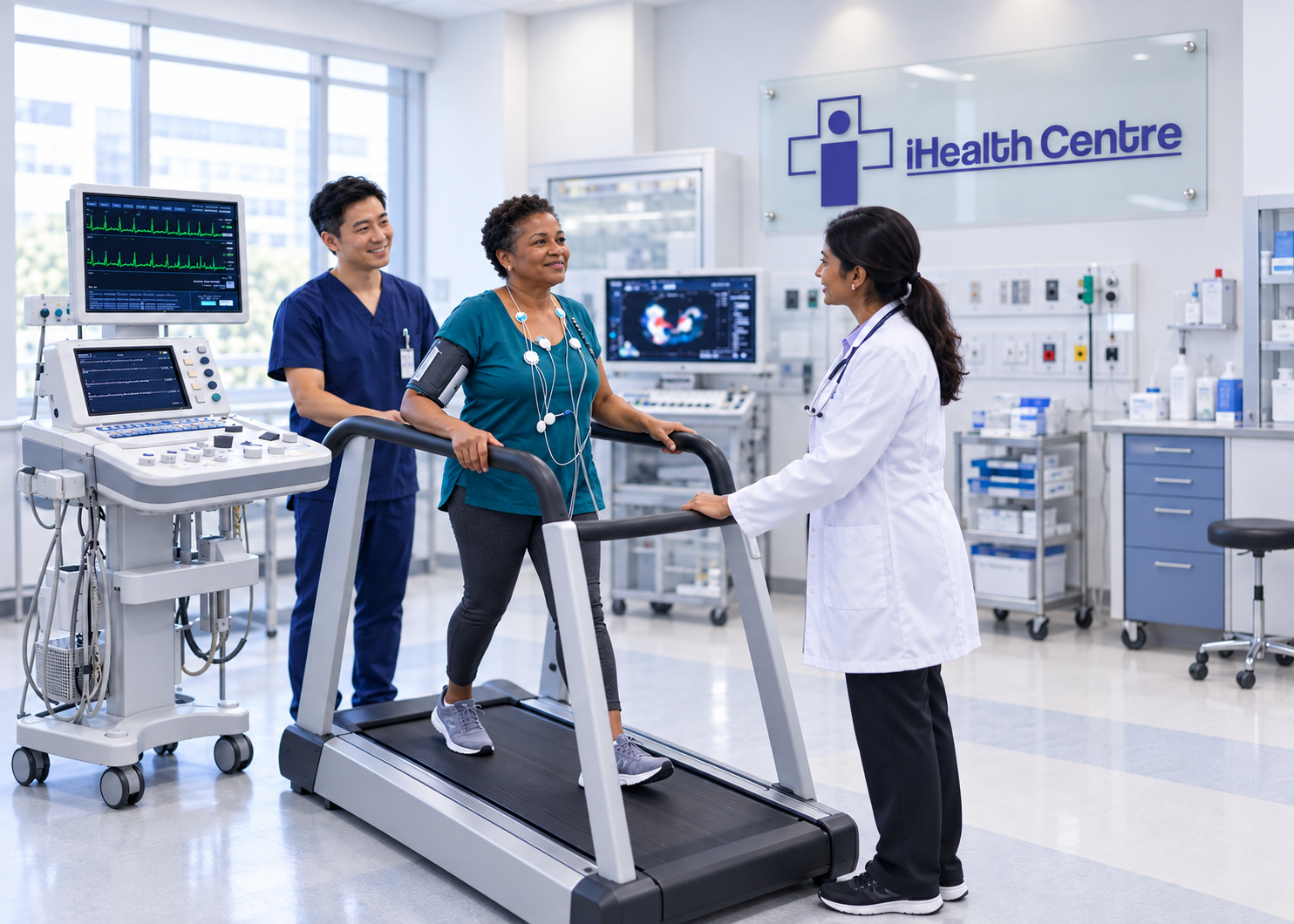
Cardiovascular care at iHealth Centre is delivered through a collaborative Heart Team approach. Our cardiologists work closely with leading cardiovascular specialists to evaluate heart conditions and determine the most appropriate treatment for each patient.
Our physicians maintain active hospital affiliations with William Osler Health System and Toronto General Hospital (University Health Network), ensuring patients have access to advanced hospital-based care when needed.
Through this coordinated network, patients can seamlessly transition from diagnostic testing to advanced cardiac procedures, including:
- Coronary angiography
- Coronary stenting (PCI)
- Coronary artery bypass surgery (CABG)
- Pacemakers and implantable defibrillators (ICD / CRT)
- Structural heart procedures for valve disease
- Electrophysiology studies and catheter ablation
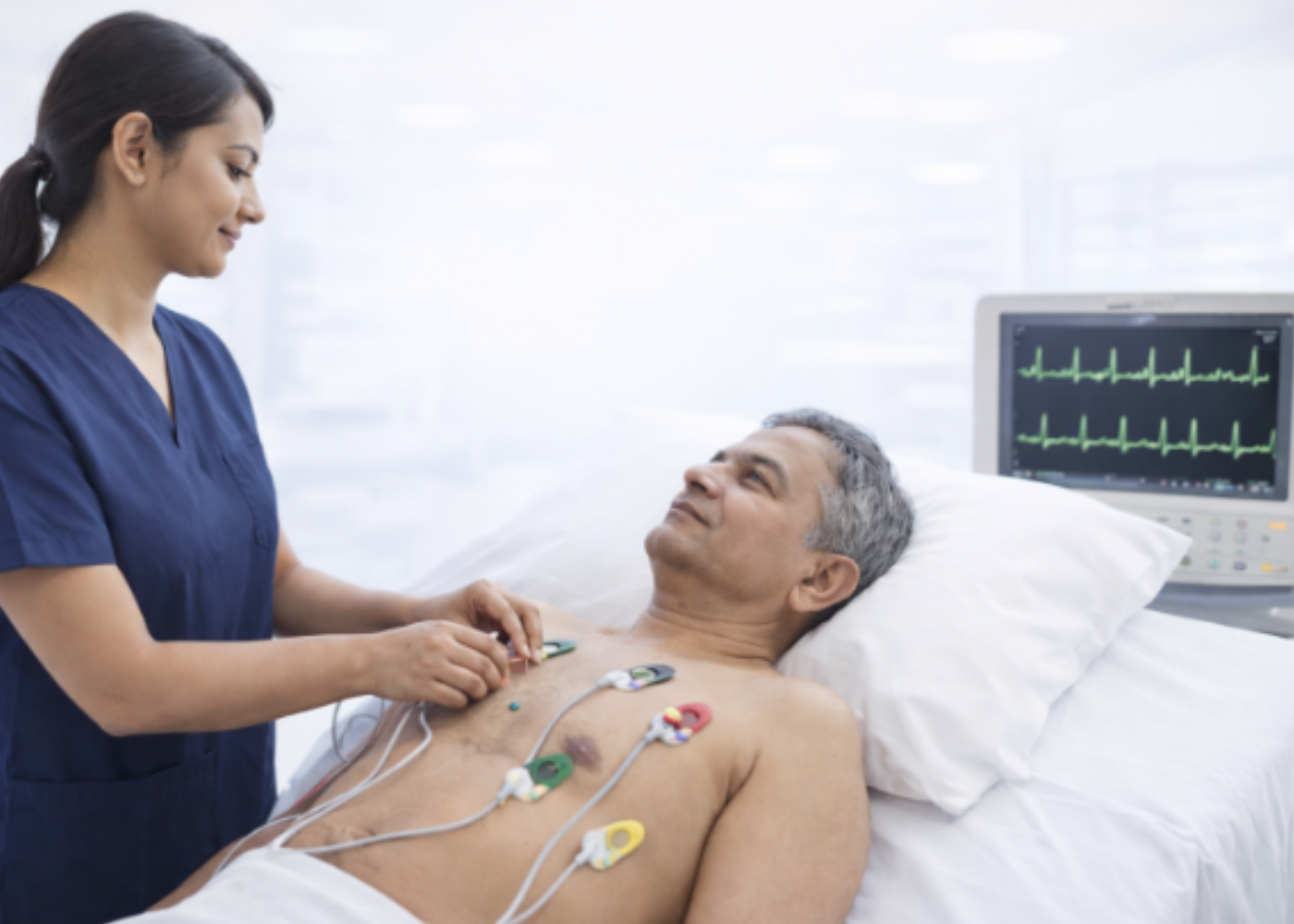
Electrocardiogram (ECG)
A simple, non-invasive test that records the heart's electrical activity.
An ECG provides information about heart rhythm, conduction, and electrical patterns. It is commonly used to evaluate palpitations, chest discomfort, dizziness, and to monitor known heart conditions or medication effects. ECGs are performed on-site and interpreted by cardiologists as part of coordinated cardiac care.
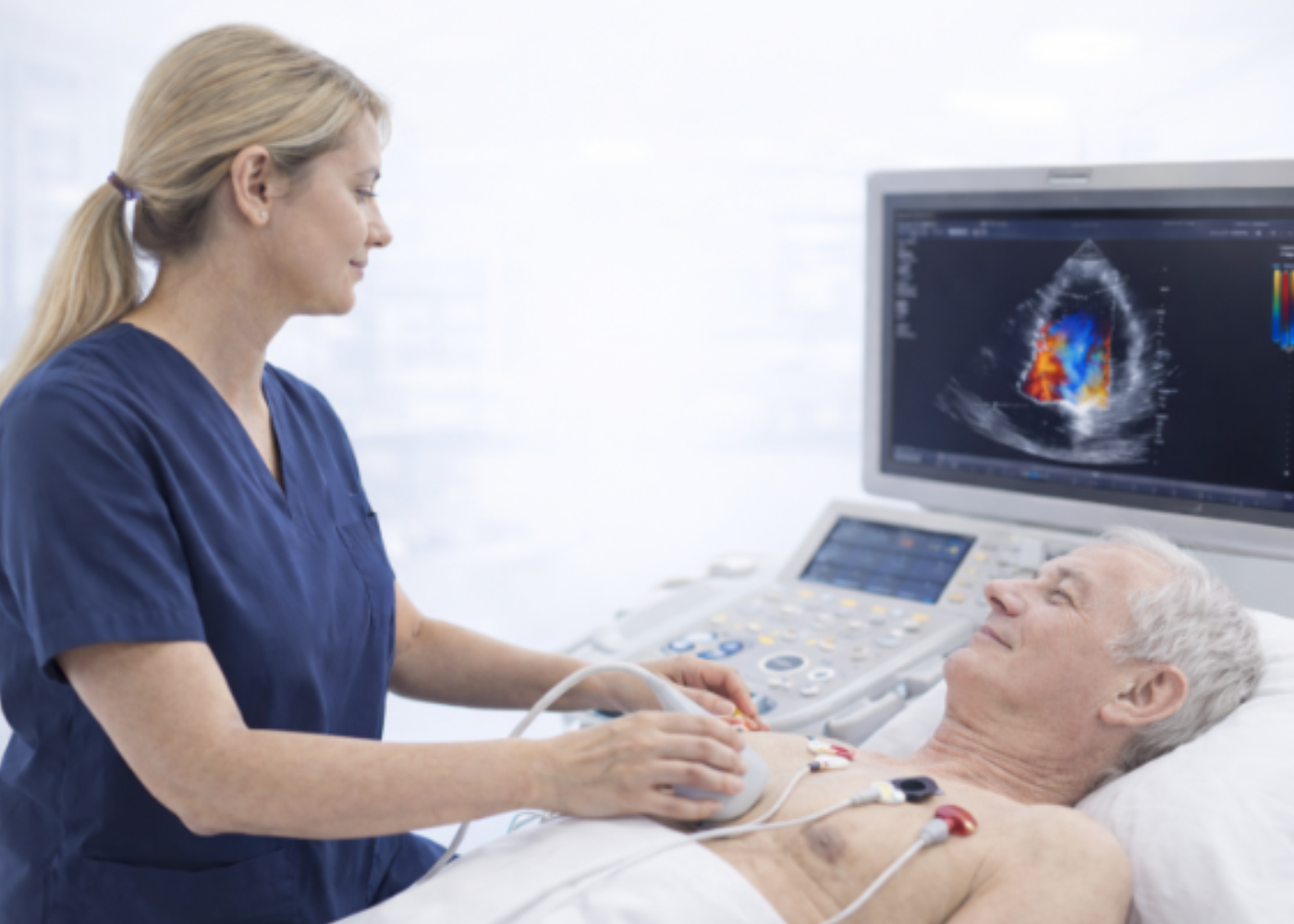
Echocardiography
Transthoracic Echocardiogram (Echo)
Standard ultrasound imaging used to evaluate heart chambers, valves, and overall cardiac function.
Contrast Echocardiography
Intravenous contrast is used when standard images are limited, improving image clarity and diagnostic accuracy.
Stress Echocardiography
Assesses heart function during exercise or pharmacologic stress to evaluate for reduced blood flow, ischemia, and functional capacity.
All echocardiograms are interpreted by cardiologists and integrated with other cardiac investigations to support coordinated care pathways.
Cardiac Stress Testing
Assessment of heart rhythm, blood pressure, and symptoms during exercise.
An exercise stress test evaluates the heart's response to physical exertion using continuous ECG monitoring while walking on a treadmill. It is commonly used to assess exercise tolerance, investigate symptoms such as chest discomfort or shortness of breath, and evaluate functional capacity.
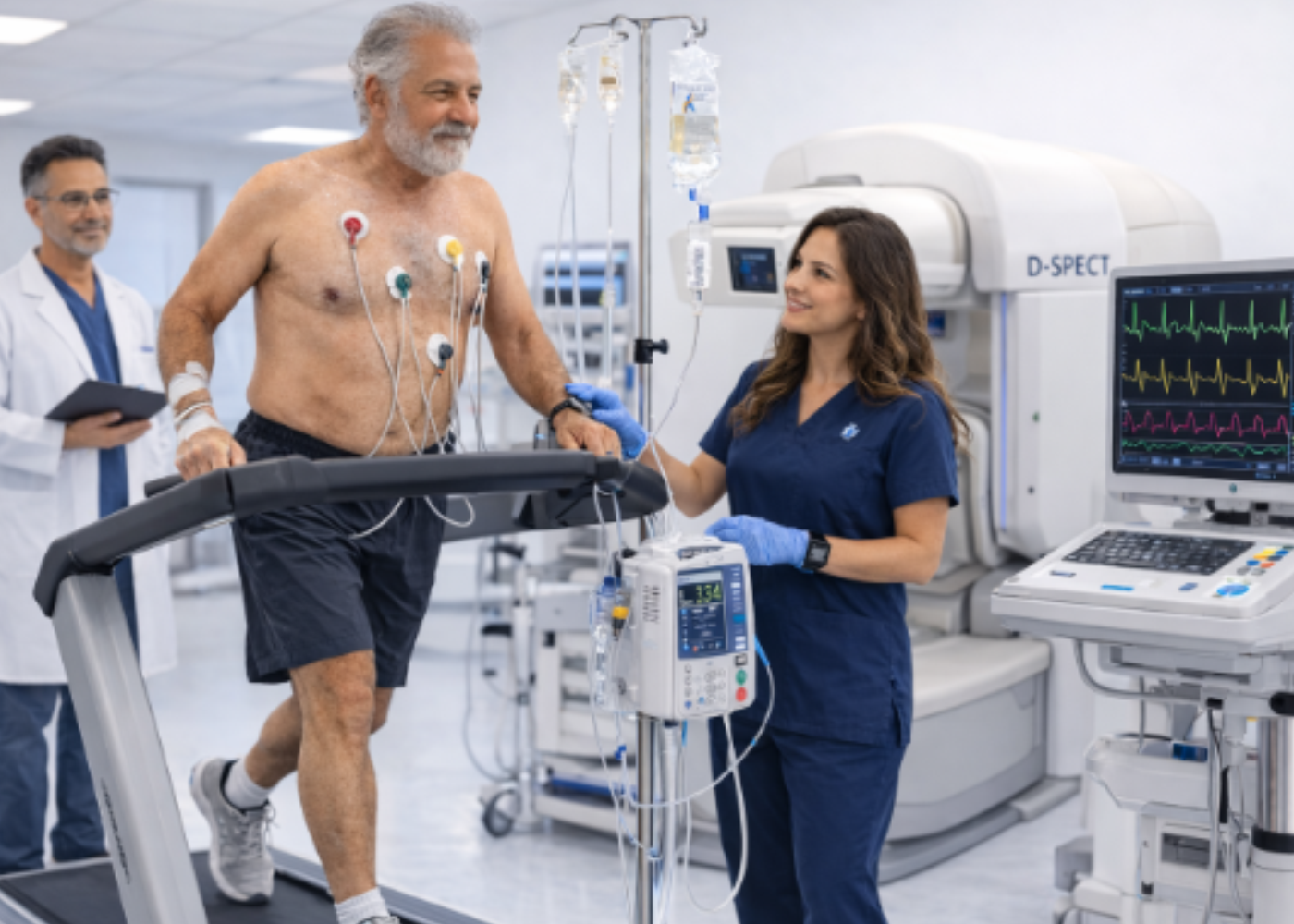
Nuclear Stress Testing
A nuclear stress test evaluates blood flow to the heart muscle during rest and stress.
This test uses a small amount of a safe radioactive tracer to create detailed images of the heart. By comparing images taken at rest and during stress, doctors can determine whether parts of the heart muscle are not receiving enough blood flow.
Radiation exposure is low and comparable to other commonly used medical imaging tests.
Rest Imaging
Images of the heart are taken while you are resting to establish a baseline.
Stress Imaging
Your heart is then stressed using exercise on a treadmill or a medication that safely increases blood flow to the heart. A second set of images shows how blood flows to the heart during stress.
What this test can detect
- Reduced blood flow to the heart muscle
- Coronary artery disease (blocked or narrowed arteries)
- Causes of chest pain or shortness of breath
- Heart function during exercise or medication-induced stress
All nuclear stress tests at iHealth Centre are interpreted by experienced cardiologists or radiologists and integrated into your overall cardiac care plan.
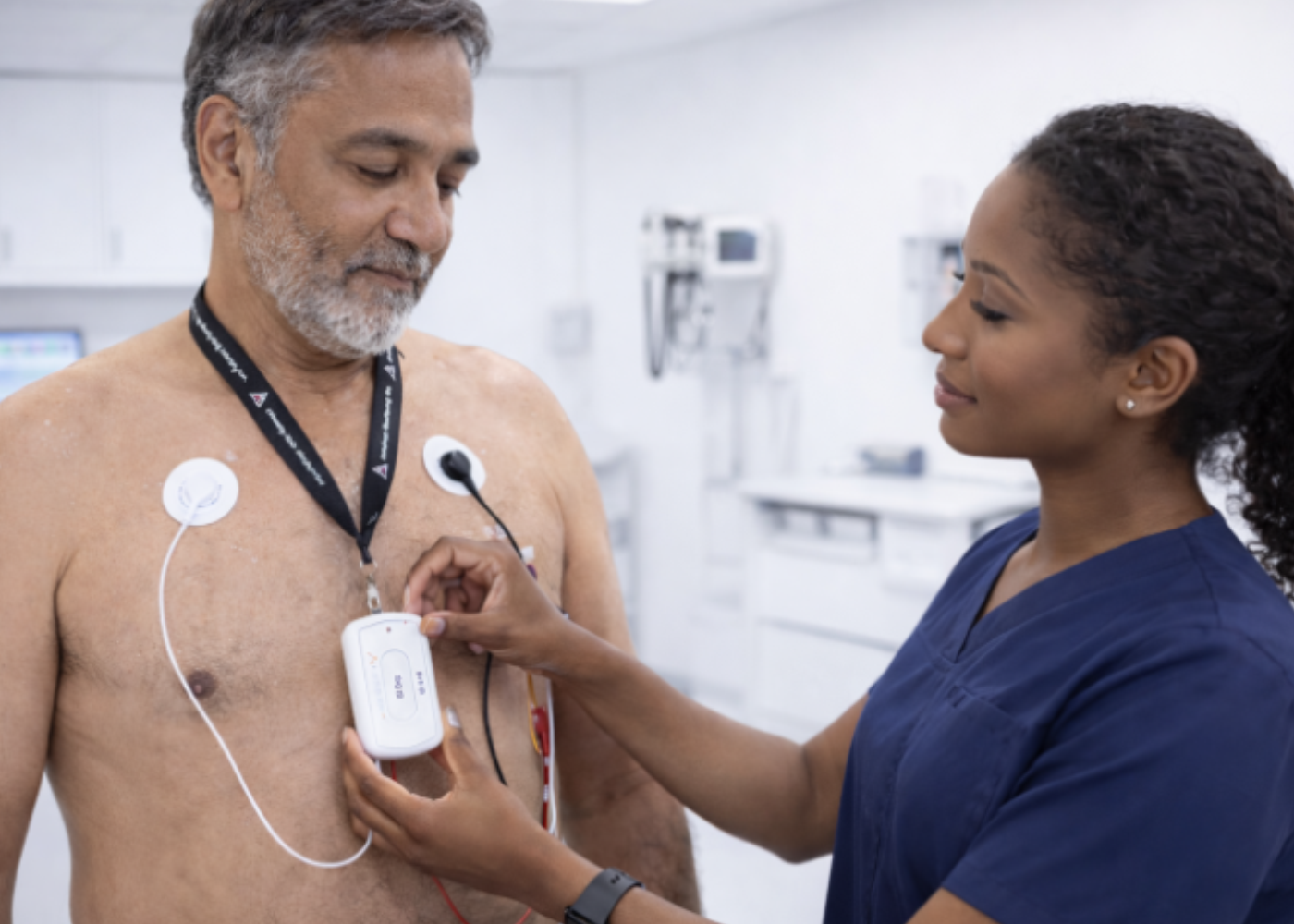
Holter Monitoring
Continuous heart rhythm monitoring to detect intermittent arrhythmias.
Holter monitoring records the heart's electrical activity over extended periods, allowing detection of rhythm abnormalities that may not appear on a standard ECG. It is commonly used to evaluate palpitations, dizziness, syncope, and unexplained symptoms.
At iHealth Centre, we offer:
- 48-hour Holter monitoring
- 72-hour Holter monitoring
- Extended monitoring up to 2 weeks
All recordings are analyzed within a dedicated arrhythmia program and interpreted by cardiologists with expertise in heart rhythm disorders.
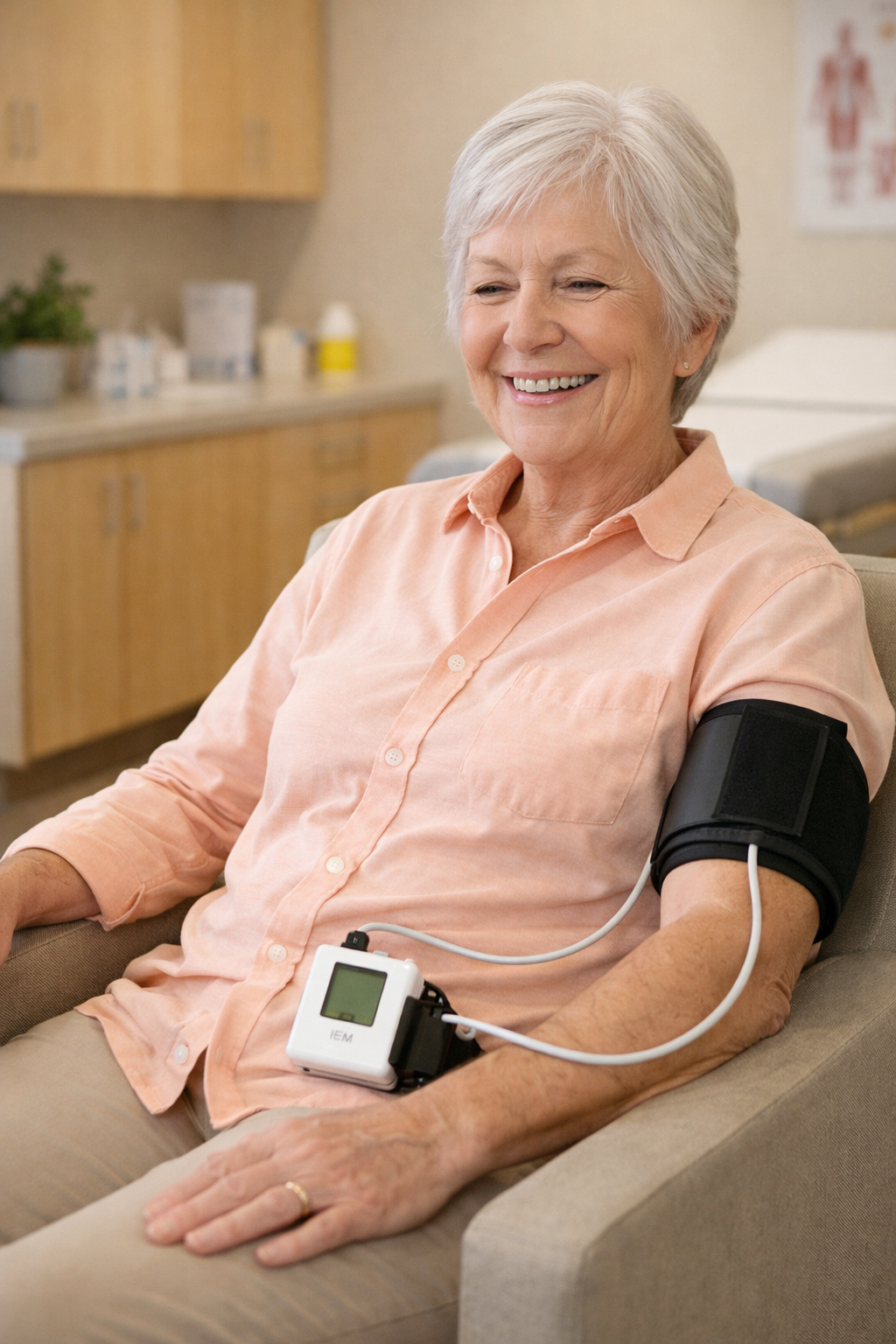
24-Hour Ambulatory Blood Pressure Monitoring
This test measures your blood pressure continuously over a 24-hour period while you go about your normal daily activities and sleep. A small portable monitor is worn on a belt, with a cuff placed around your arm that automatically inflates at regular intervals.
ABPM provides a more accurate assessment of your blood pressure than a single clinic reading. It helps identify conditions such as white coat hypertension, masked hypertension, and nighttime blood pressure abnormalities.
Your physician will use this information to guide diagnosis and optimize your treatment plan.